Research Blog
Research Thinking
Notes on mRNA design, longevity biology, and computational drug discovery from the caVos team.
Industry
The Regulatory Path for Longevity mRNA Therapeutics: What FDA and EMA Are Telling Us
Aging is not a recognized disease indication. That means longevity therapeutics must attach to specific age-related conditions for regulatory approval. We map the emerging consensus on indication selection for healthspan-extending mRNA drugs.
Platform
Using AlphaFold-Era Tools for mRNA Target Validation: What Works and What Doesn't
Protein structure prediction has transformed target validation workflows. We describe which computational tools we use to evaluate whether a longevity-associated protein is a tractable mRNA upregulation target — and where these tools still fall short.
Lab Notes
What Our First NHP Study Taught Us About CNS-Targeted LNP Delivery
Non-human primate studies are the gatekeeper between promising in vitro data and credible IND-enabling work. We share observations from our initial CNS biodistribution study — what crossed the BBB and what did not.

Platform
Our Method: Cross-Species Conserved Variants as mRNA Target Signals
The hypothesis: genetic variants conserved across multiple long-lived species are less likely to cause harm and more likely to extend healthspan when upregulated.
Lab Notes
Testing mRNA Candidates in Neuronal Models: iPSC-Derived Neurons vs Primary Culture
iPSC-derived neurons have become the standard for early CNS toxicity and efficacy screening. We compare the tradeoffs with primary rodent culture.

Business
What Pharma Partners Actually Want From a Preclinical mRNA Biotech
Asset-in-licensing and research collaborations look different in 2025. We describe what data packages and target validation milestones matter most.

Science
Targeting Cellular Senescence with mRNA: Hypotheses and Open Questions
Senescent cells accumulate with age and drive chronic inflammation. We examine whether mRNA sequences can be designed to clear or reprogram senescent populations.

Science
The UTR Engineering Problem: Extending mRNA Half-Life in Vivo
5-prime and 3-prime untranslated regions govern how long an mRNA survives in a cell. We explain why UTR optimization is as important as the coding sequence itself.

Perspective
Why Tel Aviv Is a Serious Hub for Computational Biology
Between Weizmann, Hebrew University, and a decade of bioinformatics spinouts, Israel punches well above its size in computational life sciences.

Lab Notes
Characterizing LNP Candidates Before You Have a CRO Budget
Cryo-EM access, dynamic light scattering, and in vitro transfection assays — practical notes on what early-stage characterization looks like with limited resources.

Science
Klotho, FOXO3, and the Cellular Pathways We Are Targeting
Two proteins appear repeatedly in long-lived human populations and animal models of extended healthspan. We explain the biology and why they are credible mRNA intervention points.
Industry
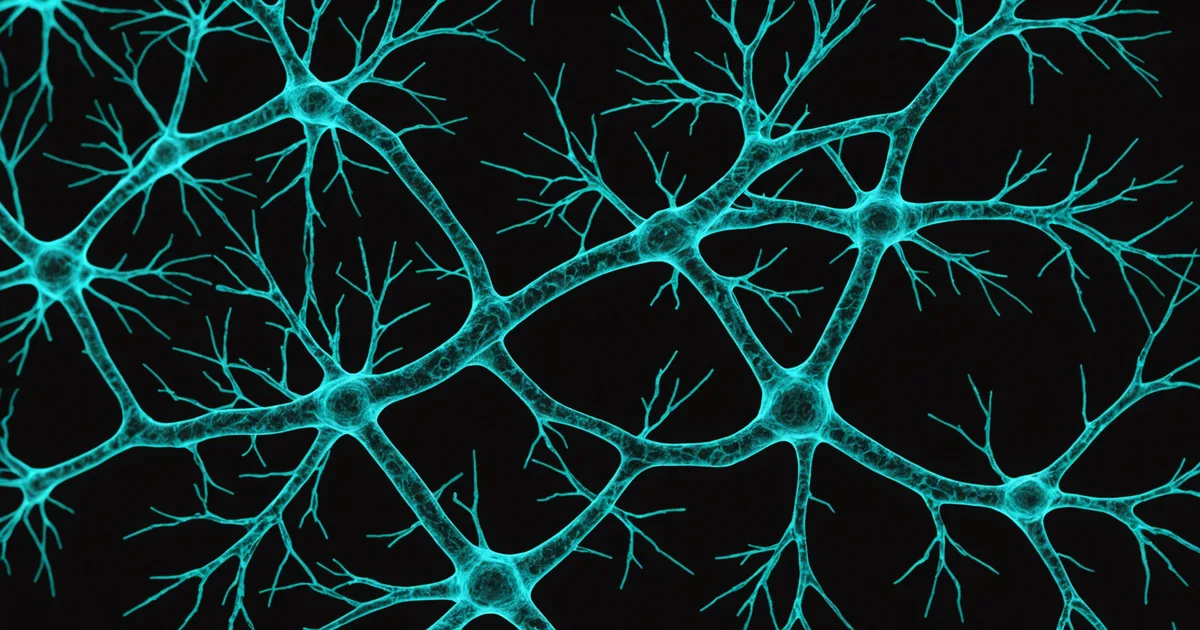
mRNA Therapeutics for Neurodegeneration: Where the Field Stands in 2025
From the clinical progress of ASO therapies to the first CNS-targeted mRNA programs entering IND, we survey the neurodegeneration pipeline.

Platform
Predicting Safe Upregulation: How Our AI Evaluates mRNA Sequence Candidates
Upregulating a longevity protein sounds straightforward. In practice, off-target effects and cellular stress responses make sequence selection non-trivial.

Platform
The LNP Formulation Problem: Why Most mRNA Drugs Can't Reach the Brain
Blood-brain barrier crossing is one of the hardest delivery challenges in neurodegeneration therapeutics. We walk through what makes LNP design for CNS targets different.
Science
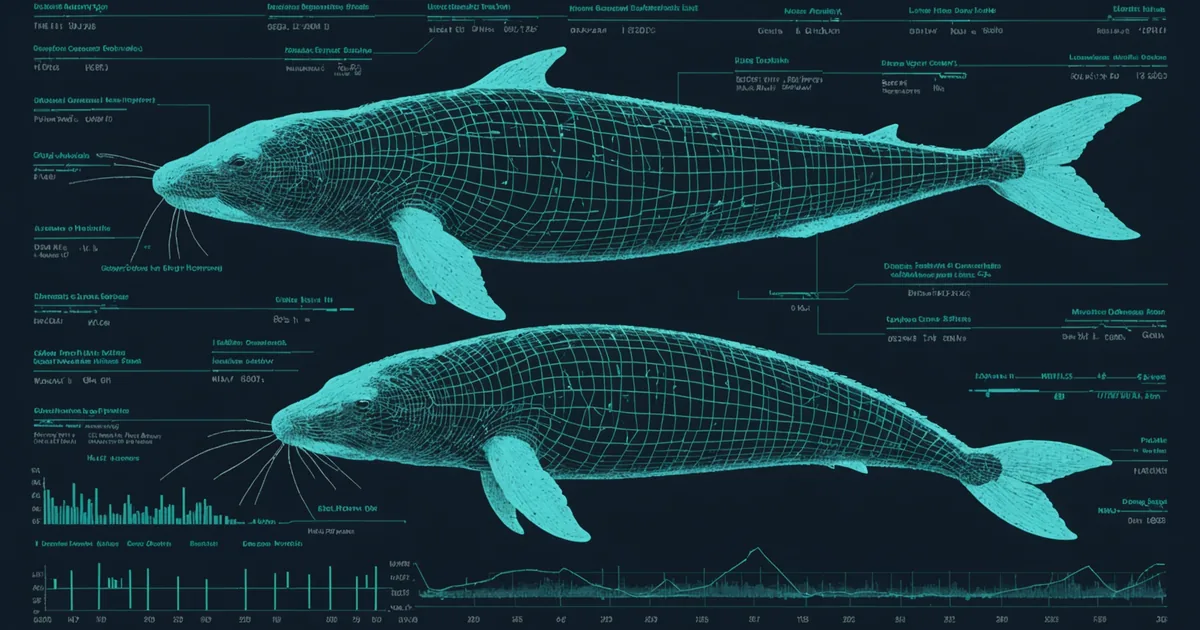
What Long-Lived Species Teach Us About mRNA Targets for Aging
Naked mole rats, bowhead whales, and Greenland sharks share unexpected genetic patterns. We explain how comparative genomics surfaces mRNA candidates.