When we run a new mRNA candidate through in vitro testing, the first decision we make after choosing the assay is which cell model to use. For CNS-targeted candidates — which is where much of our current pipeline sits — that decision is not trivial. iPSC-derived neurons and primary rodent culture both have genuine utility, and they are not interchangeable. Choosing the wrong model for the question you are asking wastes weeks of work and, in some cases, generates misleading data that has to be corrected later.
This post documents how we currently think about that tradeoff. It is not a systematic review of the literature; it is a working-level description of the considerations that inform our model selection at caVos, written for researchers who face similar decisions.
iPSC-Derived Neurons: What You Get and What You Pay
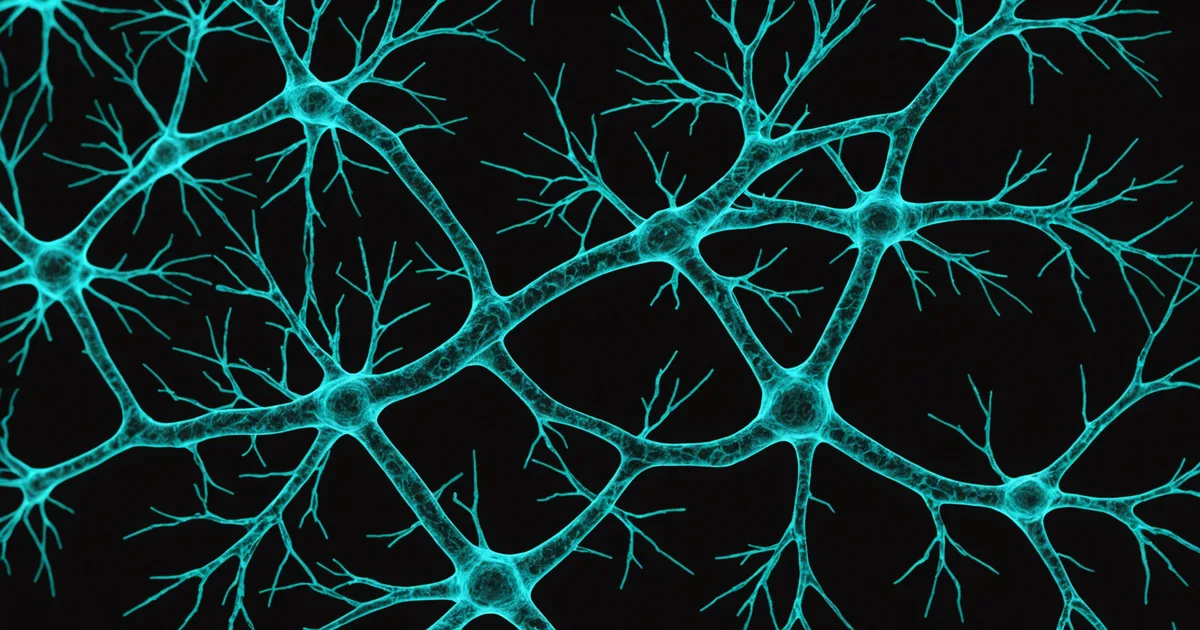
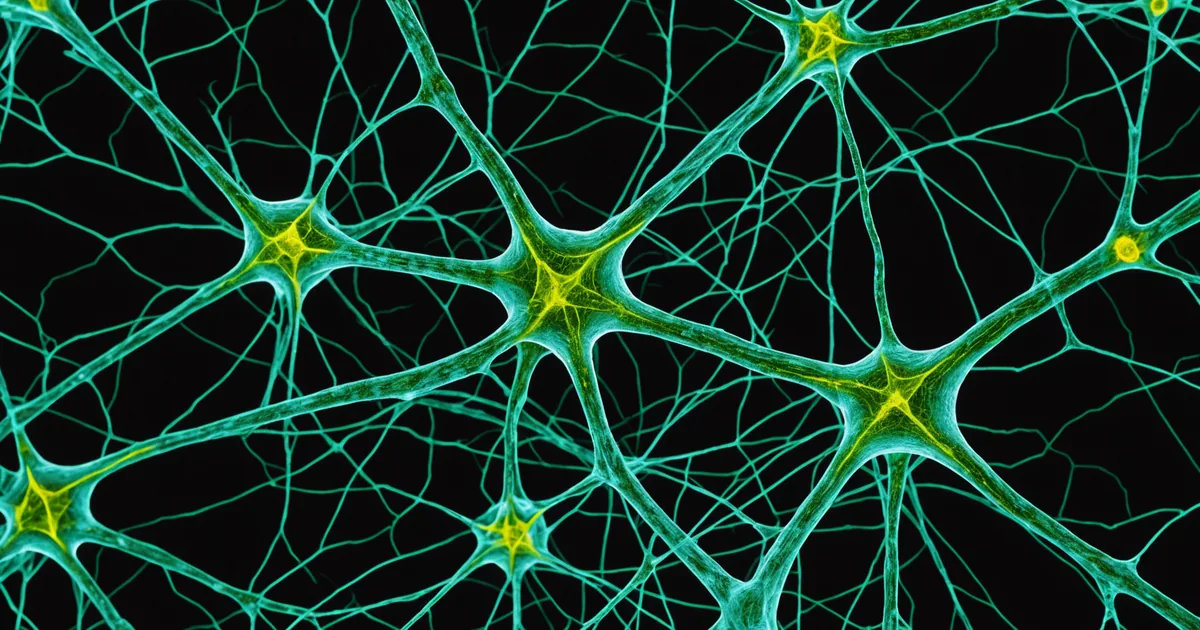
Induced pluripotent stem cell (iPSC) technology enables differentiation of human iPSCs into post-mitotic neurons that share transcriptomic, electrophysiological, and morphological features with neurons in the human brain. For mRNA therapeutic development, the key advantage is human genetic context: the receptor expression, RNA-binding protein landscape, and intracellular signaling architecture in iPSC-derived neurons more closely match the target tissue than rodent primary cultures do.
Differentiation Protocols and Maturation Timelines
The standard differentiation protocols for cortical-like glutamatergic neurons start from neural progenitor cells (NPCs) and take approximately four to six weeks to produce post-mitotic neurons expressing mature markers (MAP2, Tau, VGLUT1, synapsin). Dopaminergic neuron differentiation via floor plate induction takes a similar period. GABAergic interneuron differentiation is slower, often requiring eight to twelve weeks for mature marker expression and electrophysiological activity.
The maturation issue is real. iPSC-derived neurons at four to six weeks post-differentiation are often classified as "immature" based on action potential characteristics, spontaneous network activity, and certain receptor subunit expression patterns. Neurons at this stage may differ from mature adult neurons in ways that are relevant to mRNA therapeutic testing — particularly for targets whose expression or activity is developmentally regulated. Some protocols use extended culture periods (12-20 weeks), lentiviral overexpression of Ngn2 or Ascl1 to accelerate differentiation, or co-culture with astrocytes to promote maturation.
We do not claim that iPSC-derived neurons at standard differentiation timepoints fully recapitulate the biology of neurons in aged human brain, which is the physiological context most relevant to our longevity program. This is a genuine limitation that cannot be engineered away with current protocols. Aged iPSC neurons — cells differentiated from iPSCs from older donors, or neurons treated with progerin to accelerate aging phenotypes — are used in some research contexts, but they are not routine tools for screening-scale work.
Advantages for mRNA Candidate Screening
Despite the maturation caveat, iPSC-derived neurons offer several specific advantages for mRNA work:
- Human genetic background: For targets where human-specific regulatory biology matters — transcription factor binding sites, miRNA target sites in 3' UTRs, human-specific RNA-binding protein expression — iPSC-neurons are more predictive than rodent cultures. If you are screening 3' UTR variants that include human HuR (ELAVL1) binding sites, testing those in human neurons rather than rat cortical neurons is mechanistically more relevant.
- Patient-specific modeling: For disease-relevant screening, iPSC lines from individuals carrying relevant risk variants (e.g., APOE4 for Alzheimer's disease, LRRK2 mutations for Parkinson's) allow you to test candidates in the genetic context where they will ultimately need to work. This is particularly important for mRNA constructs targeting proteins that modulate disease-risk pathways.
- Consistency across batches: A characterized iPSC line from a reputable biorepository or an in-house line provides more consistent biology across experiments than primary rodent cultures, which vary with litter, dissection quality, and culture conditions. Batch-to-batch variability is an underappreciated source of noise in primary culture screening.
Transfection Efficiency in iPSC-Neurons
Post-mitotic neurons are notoriously difficult to transfect with lipid-based methods. Lipofectamine-based transfection, which works reasonably well in dividing cells like HEK293T, typically yields under 10% transfection efficiency in mature iPSC-derived neurons and produces significant toxicity at doses required for higher efficiency. For mRNA screening in neuronal models, LNP formulations outperform lipofection — encapsulated mRNA in ionizable LNPs achieves transfection efficiencies in the 20-50% range in iPSC-neurons under optimized conditions, with much better viability than lipofection at equivalent doses.
Electroporation (nucleofection) achieves higher efficiencies in NPCs and early neurons but is destructive enough that it is not suitable for assays requiring extended culture after delivery. Viral delivery (AAV, lentivirus) achieves high efficiency but adds regulatory complexity for an mRNA screening program and introduces confounds from stable integration or capsid immunogenicity.
For our purposes, LNP-formulated mRNA delivery is the standard approach in iPSC-derived neurons, and we calibrate our formulations using a GFP reporter mRNA as a transfection efficiency control before testing biological candidates.
Primary Rodent Culture: What It Still Does Well
Primary neurons dissociated from rodent embryonic or neonatal brain and cultured on coated surfaces remain the dominant model for neuronal biology, despite the expansion of iPSC technology. There are good reasons for this persistence.
Speed and Cost
A primary cortical culture from E18 rat pups can be plated and ready for experiments within one to two weeks after dissection. The protocol is established, reagents are inexpensive, and the preparation can yield enough material for dozens of experimental conditions in a single dissection. iPSC differentiation requires four to eight weeks of culture before neurons are ready, uses expensive growth factors, requires qualified iPSC lines, and produces much smaller total cell numbers per preparation. For any experiment that needs rapid iteration — screening five formulation variants or testing dose-response curves across multiple conditions — primary culture is faster by a factor of three to five.
Electrophysiological Maturity
Primary neurons from E18-P0 rodent cortex differentiate in vitro to a state that shows mature action potential firing, spontaneous EPSC/IPSC activity, and mature receptor expression within two to three weeks of plating. This is faster and in some respects more physiologically mature (by electrophysiological criteria) than iPSC-derived neurons at comparable post-differentiation timepoints. For assays that measure network activity, calcium imaging, or functional synapse formation, primary culture often gives cleaner data at earlier timepoints.
Transfection Efficiency
Primary neurons are also resistant to lipid-based transfection, but LNP-mediated mRNA delivery in primary rodent neurons tends to be somewhat more efficient than in iPSC-derived neurons, possibly reflecting differences in endosomal biology or membrane properties. In our hands, properly optimized LNP formulations achieve 30-60% mRNA delivery efficiency in primary rat cortical cultures, compared to 20-50% in iPSC-neurons under similar conditions. The difference is not dramatic, but in screening contexts where efficiency variation directly affects signal-to-noise, it matters.
Calcium phosphate transfection, a method largely abandoned in other cell types due to efficiency, actually works reasonably well in primary neurons for some applications, though with high variability. Most groups have moved to LNP or electroporation for any serious screening work.
Which Assays Work in Which Model
This is the practical decision tree we use:
Use Primary Rodent Culture When:
- You need rapid iteration — formulation optimization, dose-response curves, initial expression profiling
- The assay requires electrophysiological endpoints (MEA recording, patch clamp) and iPSC-neuron maturity is insufficient
- You need high cell numbers for biochemical assays (co-immunoprecipitation, chromatin preparation) that are difficult at iPSC-neuron yields
- Cost is a constraint and rodent biology is sufficient for the question being asked
Use iPSC-Derived Neurons When:
- Human genetic context matters for the specific question — particularly for UTR-dependent regulation, human-specific RBP binding, or RNA secondary structure that may differ between human and rodent
- You are testing candidates that will ultimately need to function in human neurons — final lead candidate confirmation before advancing to animal studies
- You have access to disease-relevant patient iPSC lines and want to test candidates in that genetic background
- The target protein shows significant human-rodent differences in expression level, isoform pattern, or regulatory biology
Assays That Behave Differently Between Models
Innate immune activation assays are a notable case where model choice matters significantly. LNP-formulated mRNA can activate TLR-dependent and STING-dependent innate immune pathways. Primary rodent neurons and iPSC-derived human neurons differ in their innate immune receptor expression profiles and in the sensitivity of those pathways. A formulation that appears immunologically quiet in primary rodent culture may show detectable IFN response in iPSC-derived neurons, or vice versa. We run innate immune profiling in both models for any candidate that shows ambiguous immunogenicity signals.
Translation efficiency also differs in ways that are not fully predictable. Kozak sequence variants that perform well in HEK293T may rank differently in iPSC-neurons versus primary rodent neurons, because the ribosomal scanning machinery and relevant initiation factors differ between cell types. Absolute expression levels from the same construct often diverge by twofold to threefold between models — this is expected and should be calibrated rather than treated as experimental noise.
Our Current Protocol for mRNA Candidate Progression
For a new mRNA candidate at caVos, the testing sequence is approximately:
- Initial expression confirmation in HEK293T — fast, cheap, establishes that the construct is functional. Not a screen for neuronal biology.
- Dose-response and formulation screen in primary rat cortical culture — rapid iteration on LNP composition, dose, and timing. Functional assay if a rodent readout is available.
- Innate immune profiling in both primary rodent culture and iPSC-derived neurons — any candidate advancing beyond initial screens gets this panel.
- Expression and functional confirmation in iPSC-derived neurons — human context validation for the top one or two candidates from the rodent screen.
- Disease-relevant iPSC lines — for candidates targeting pathways where patient genetic background may affect response, testing in relevant iPSC lines before animal studies.
This progression is not fixed — it adapts to what the candidate shows at each stage. The key principle is that primary rodent culture and iPSC-derived neurons are not competing standards; they answer different questions, and the information from both is needed before committing to animal studies. Skipping the iPSC-neuron step to save time and cost has, in our experience, produced surprises in later work that were expensive to resolve.
We are not claiming this is the optimal protocol for all mRNA CNS programs — it is the one we have converged on for our specific targets and resources. Groups with different targets, different formulation approaches, or access to more advanced iPSC models (such as cerebral organoids or co-culture systems) will have different tradeoffs. What we do maintain is that treating either model as the universal standard, rather than as a tool with specific strengths and limits, leads to errors that show up later in development.